History of The Chelmsford Club
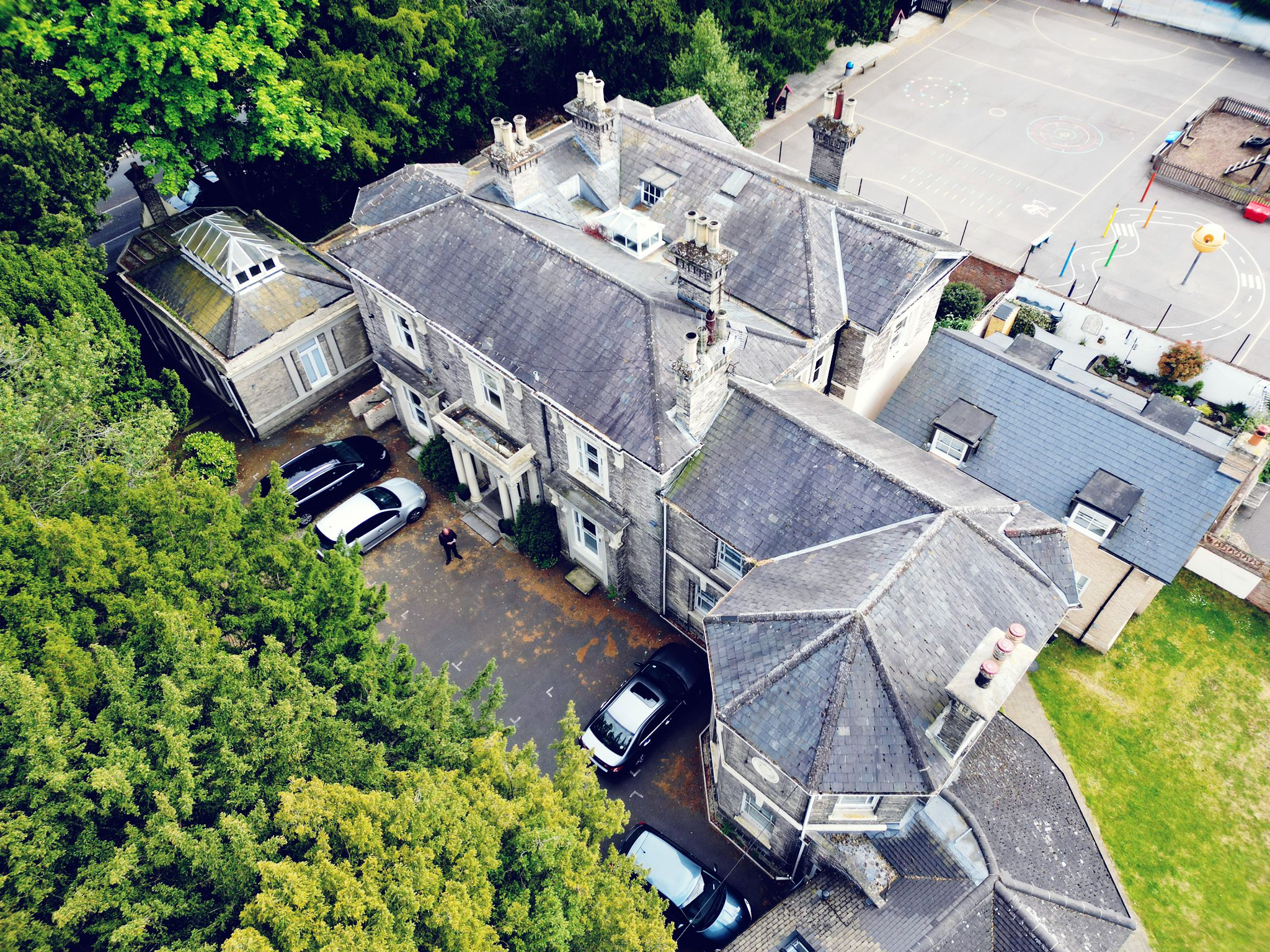
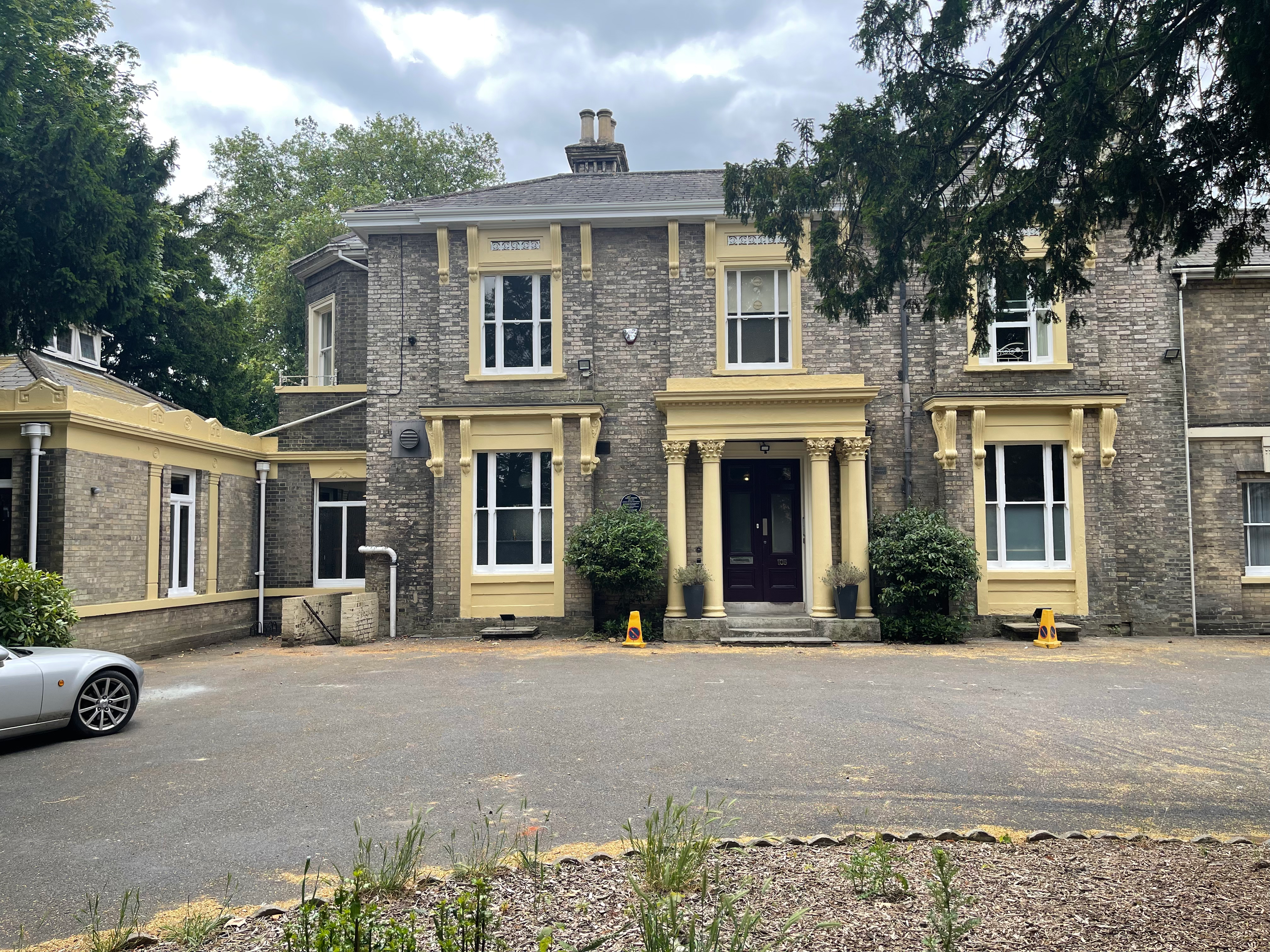
Laurel Grove... Staplegrove... the current home of The Chelmsford Club.
108 New
London Road
Originally named Laurel Grove by its first owner James Fenton (1846–1857), the property passed through the May family (1861–1895), the Gray family (1895–1924), and the Parish family (1924–1939) before becoming the home of The Chelmsford Club in 1939.
The 1924 sales catalogue described it as a grand 9-bedroom Victorian mansion set in a 4.5-acre plot, with spacious lawn tennis courts, an ornamental pond and fountain, orchards, vegetable gardens, stables, and a gate house.
Mr Parish renamed the property Staplegrove in 1928, after his birthplace near Taunton.
A Labyrinth
Below
Beneath the main house lies a labyrinth of 9 rooms — food stores, pantries, wine and beer cellars, and a dark room. The cellars also house a Hobbs and Hart plate safe, connecting the club to the remarkable story of Alfred Charles Hobbs, who in 1851 at the Great Exhibition spent 51 hours over 16 days picking the famous Bramah lock, winning 200 guineas.
The Club
Is Born
On the 1st December 1884, The Chelmsford Club was founded with 5,000 one-pound shares issued. Within six months, 110 members had fully subscribed. Directors JS Brown, JG Bond, and THP Dennis oversaw the club's early years.
The original facilities included a reading room with newspapers and magazines, a billiard room with two tables, a smoking room, and a chess and card room — with refreshments under a steward. The club was open daily from 12pm to 12am.
First based at Museum Terrace on New London Road, the club later moved to 14 London Road before acquiring 14/16 New London Road for £5,000, formally moving to Staplegrove on Tuesday 15th August 1939.
Decline &
Rebirth
At its lowest point, membership fell to just 53. A pivotal change came when membership was opened to both men and women — a decision that took 130 years.
Three requirements were set by the businesswomen consulted: it has to be safe, the washroom facilities must be excellent, and the ability to network with likeminded people.
Major restoration followed — the stable was redeemed, squash courts demolished, the gatehouse gutted and restored. Then COVID forced closure. The bar was completely redesigned, a snooker table removed to create the Adler Restaurant, and the first floor transformed into a business hub. The club's first General Manager was hired, and a new corporate identity was born.
— John Constable, Club Historian
Visit the Club
We welcome prospective members to visit and experience The Chelmsford Club first-hand.
Get in Touch